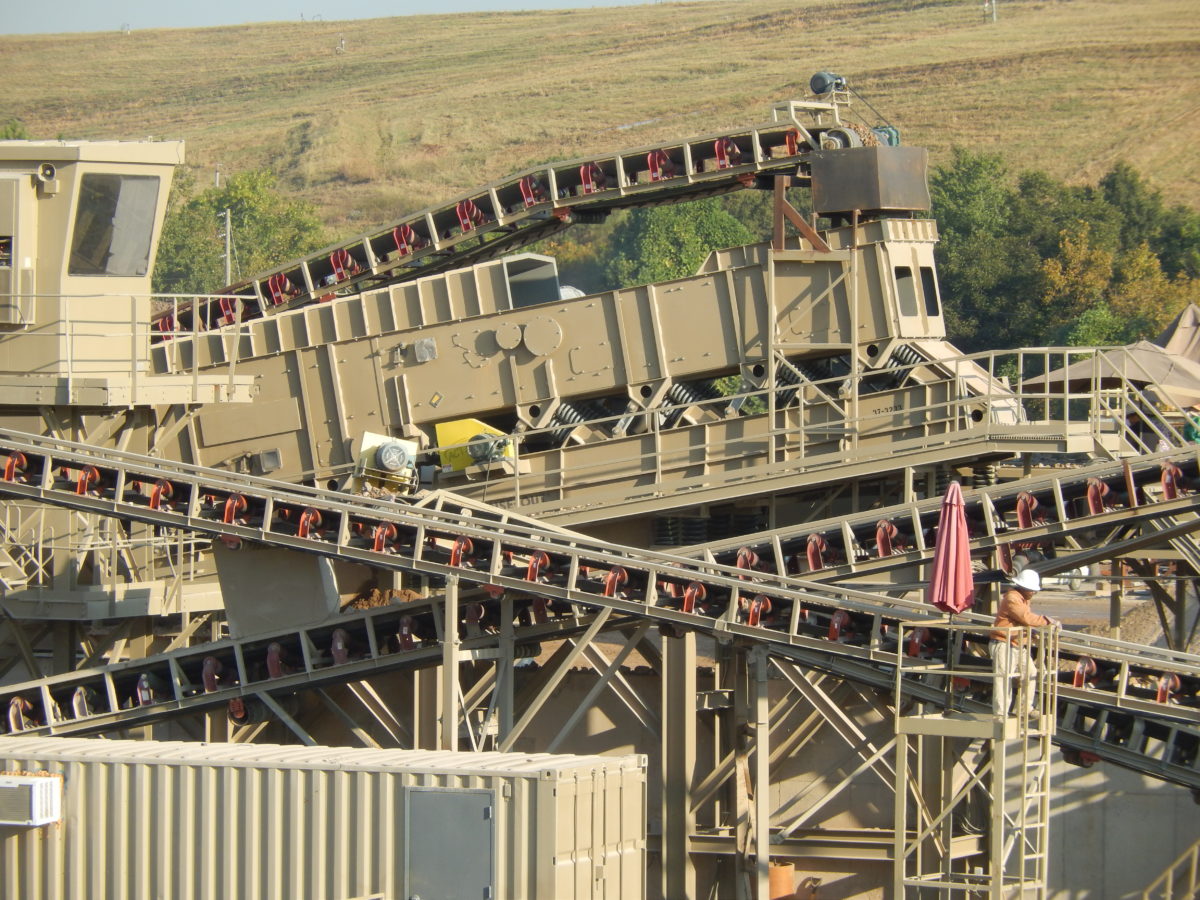
DENSE-OUT® Vibratory AIR Separator
Shake & Sort With AIR!
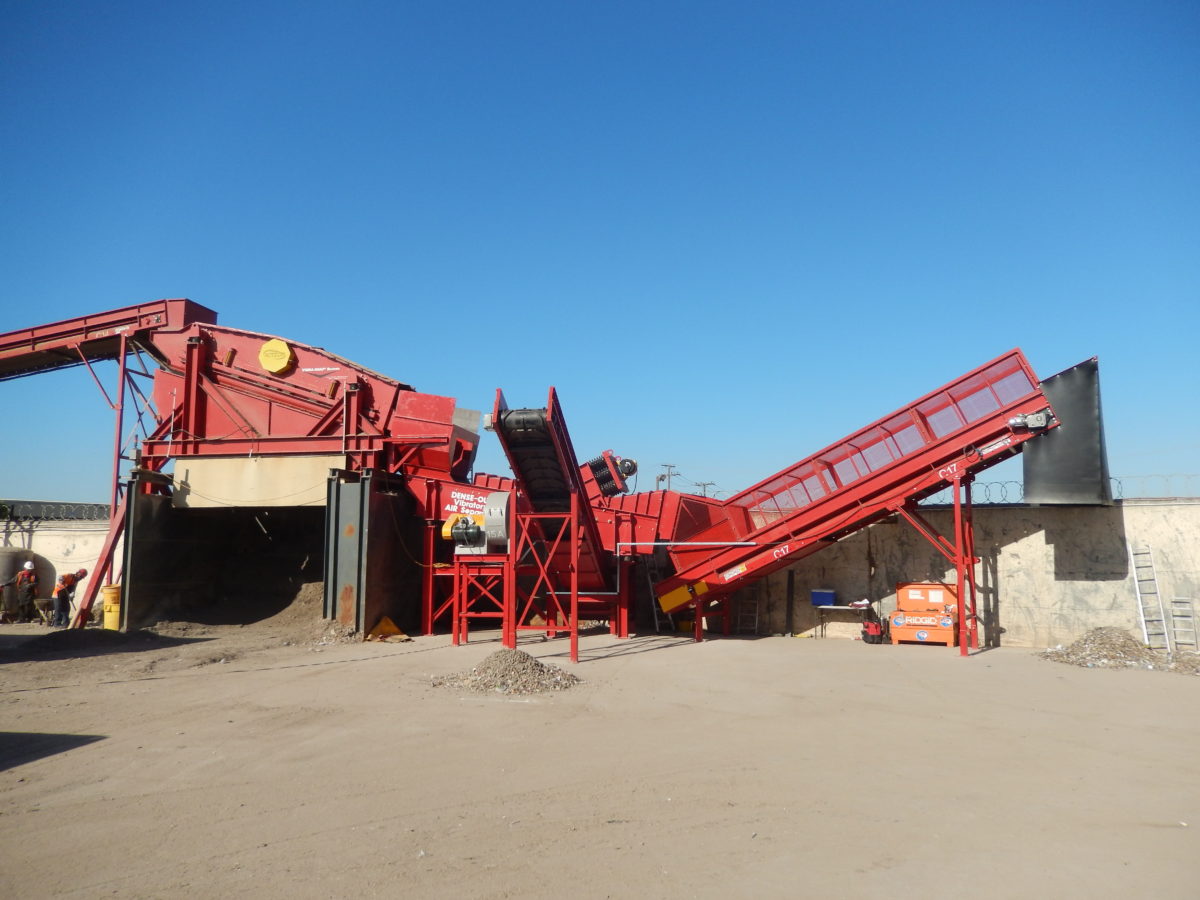
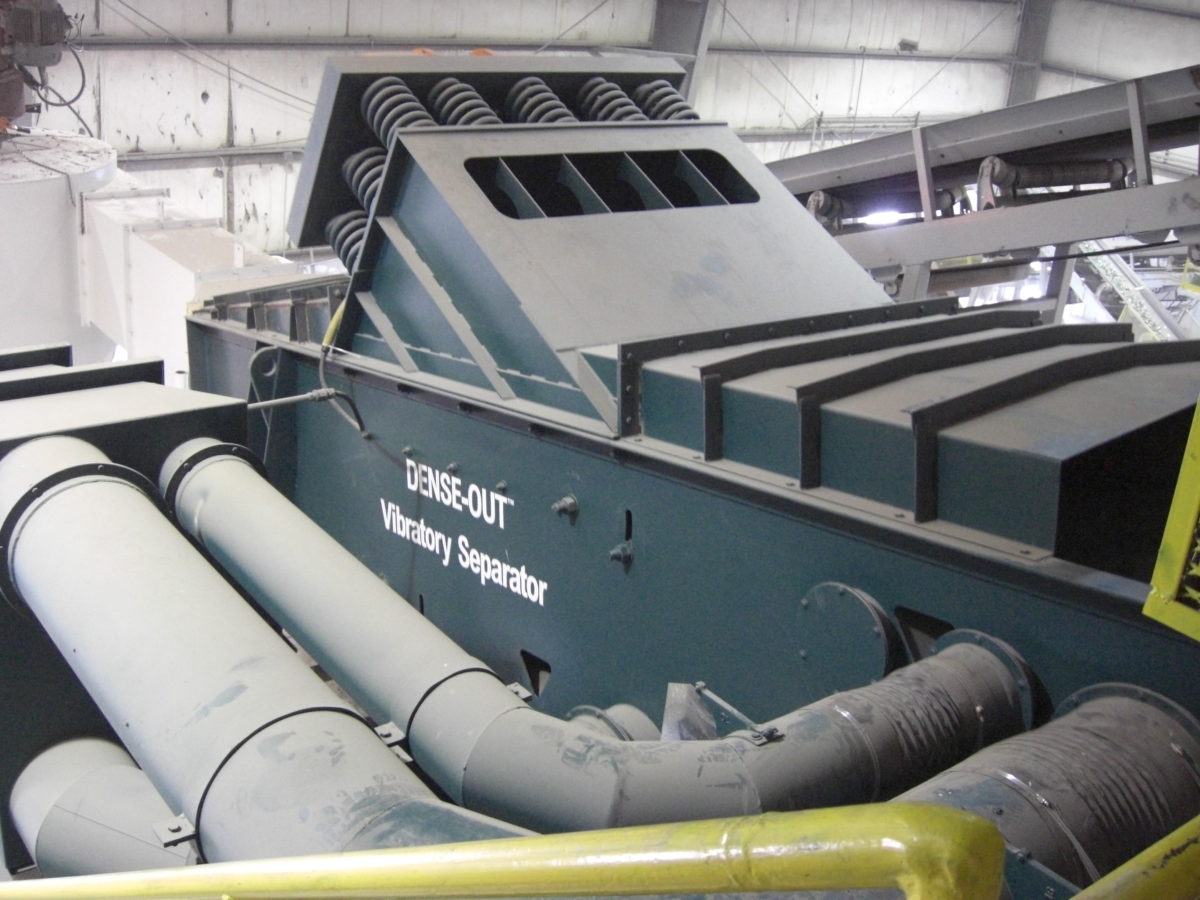
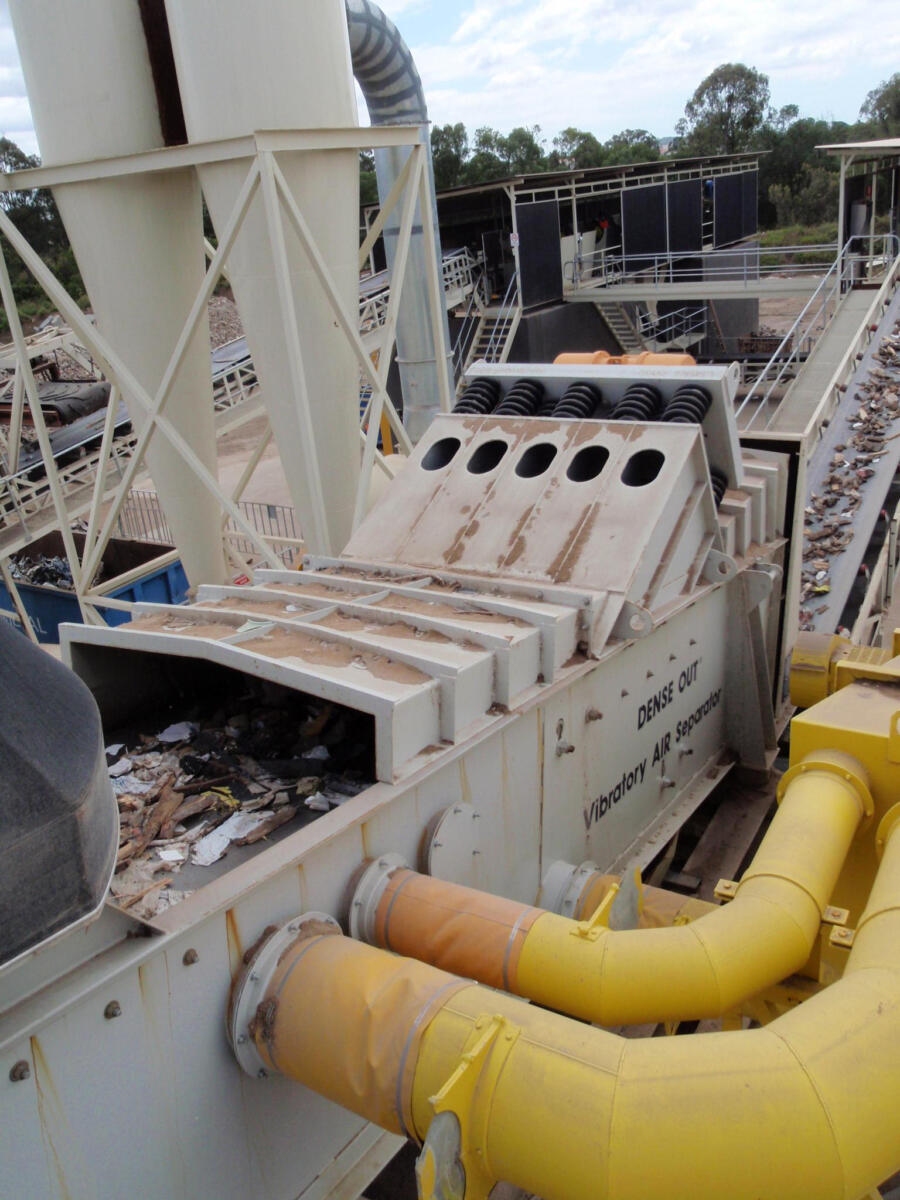
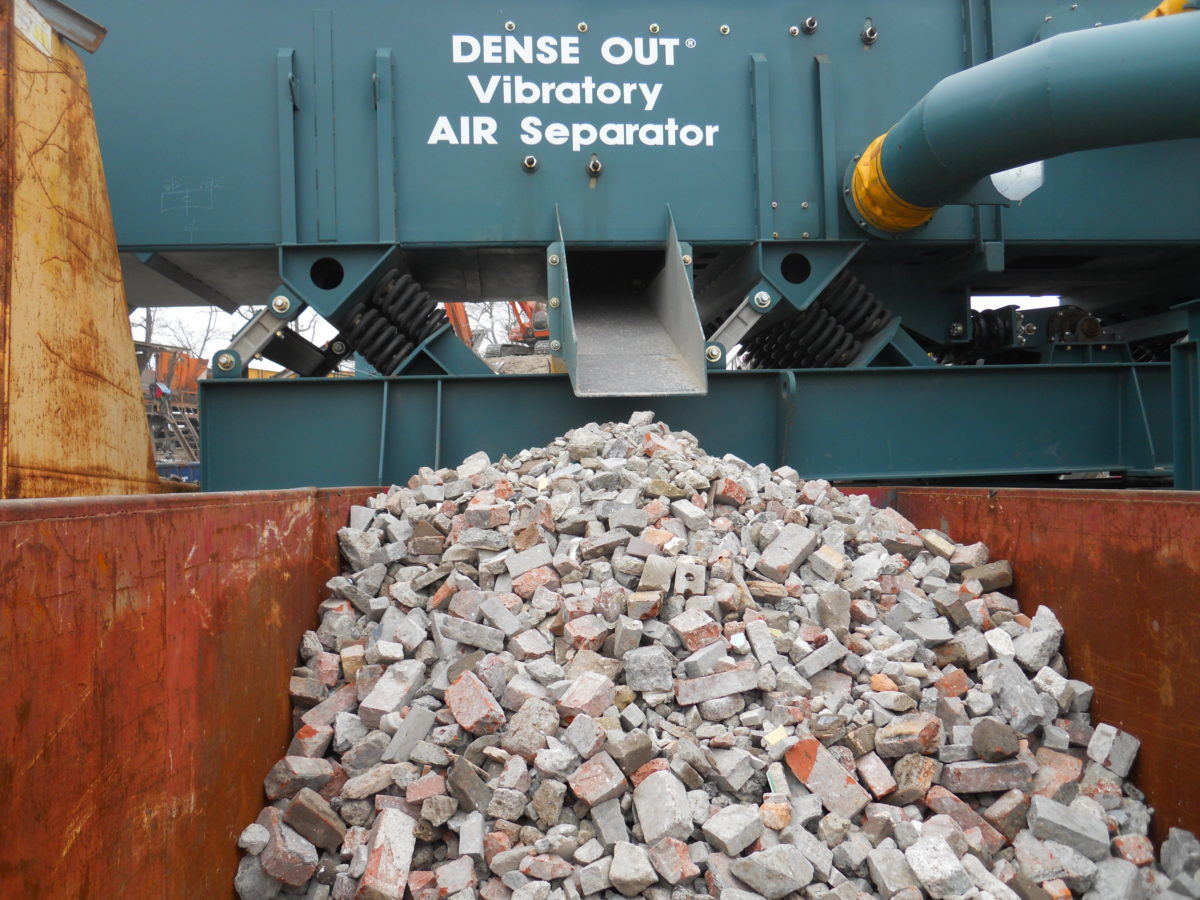
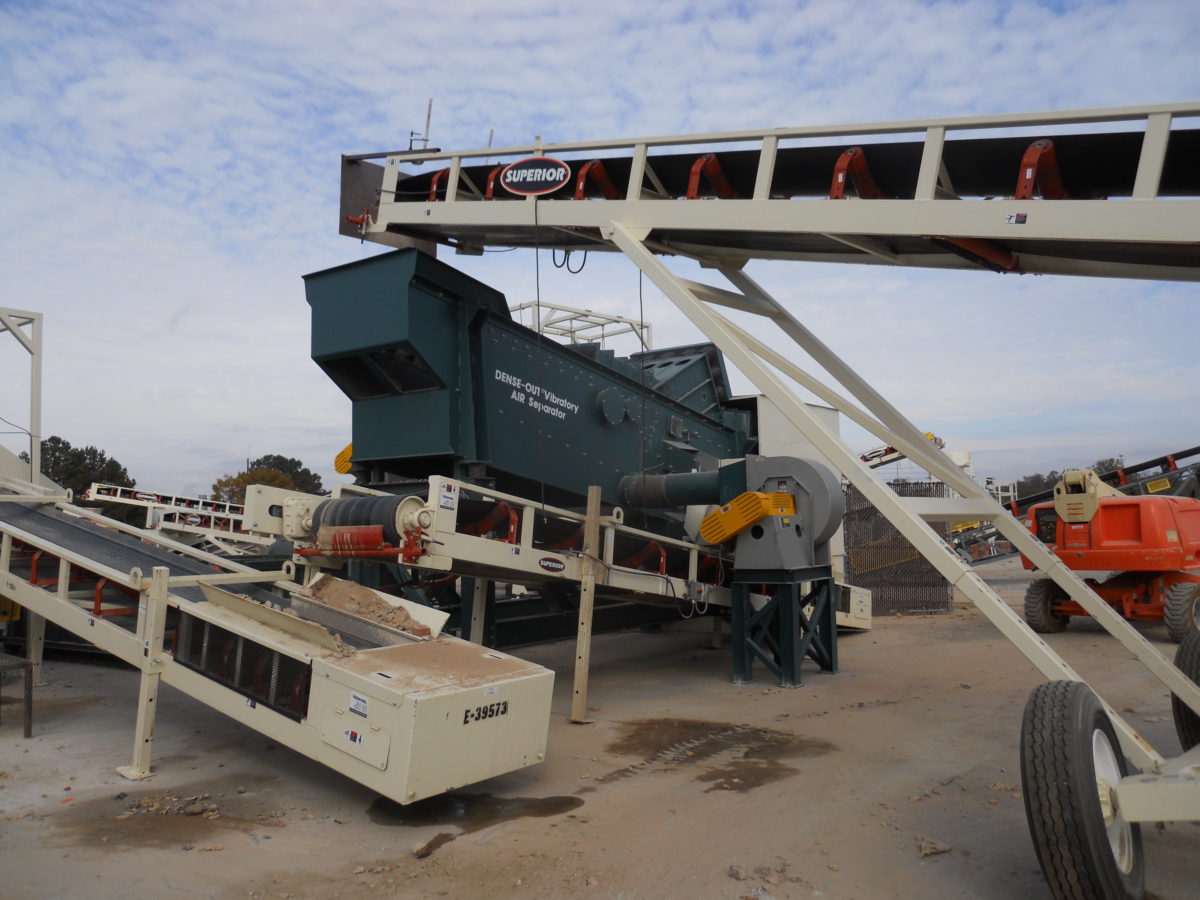
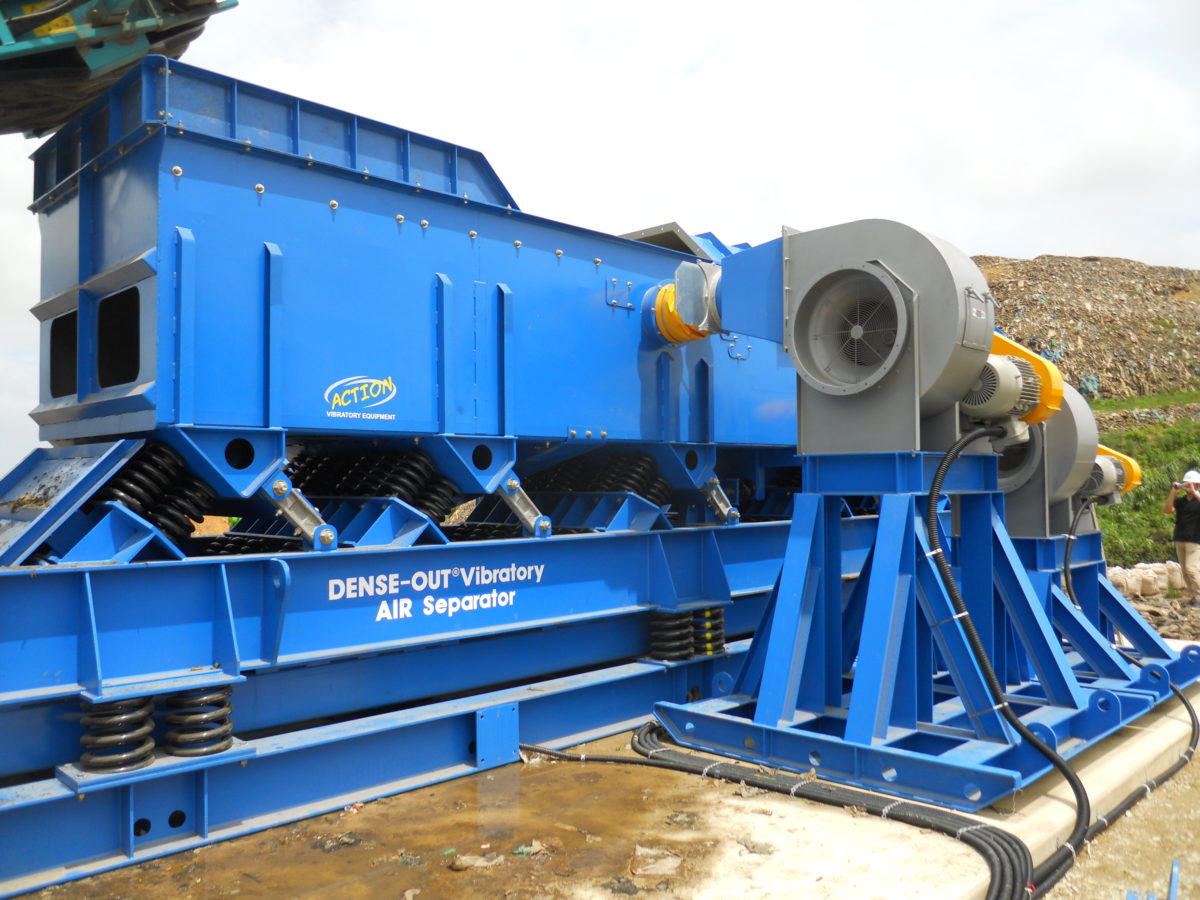
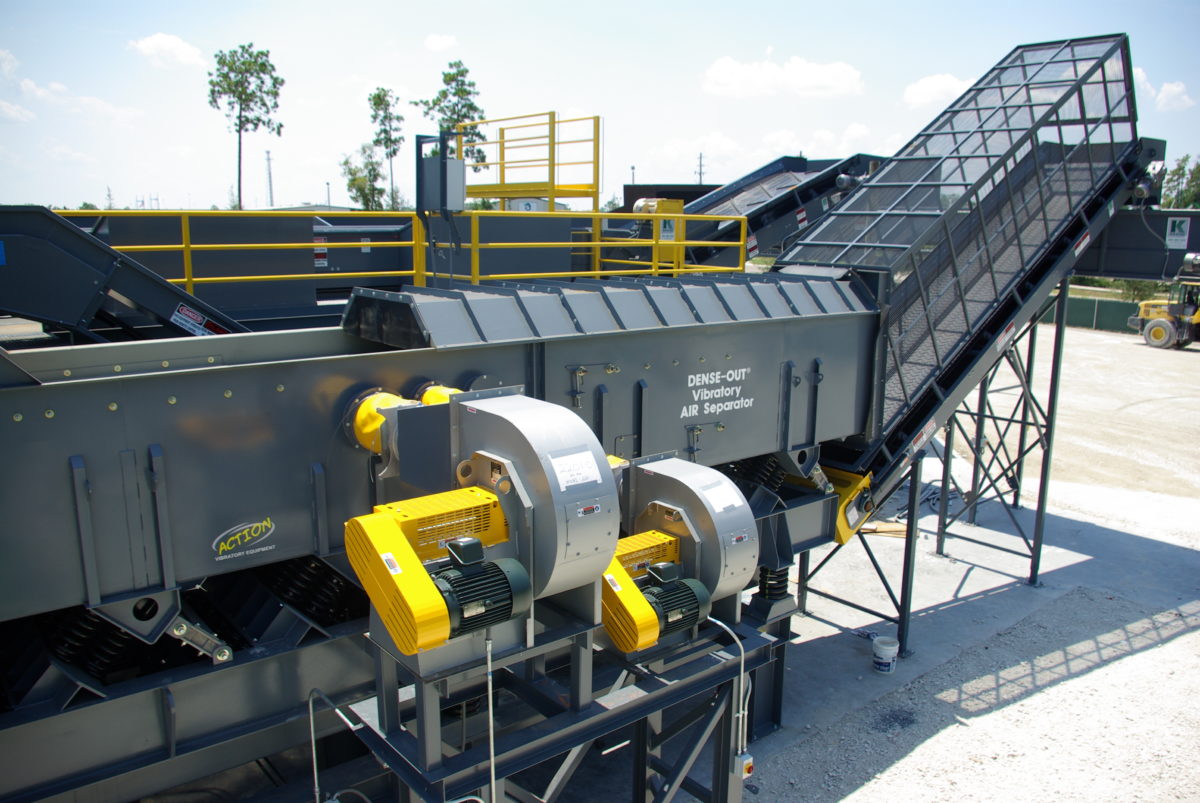
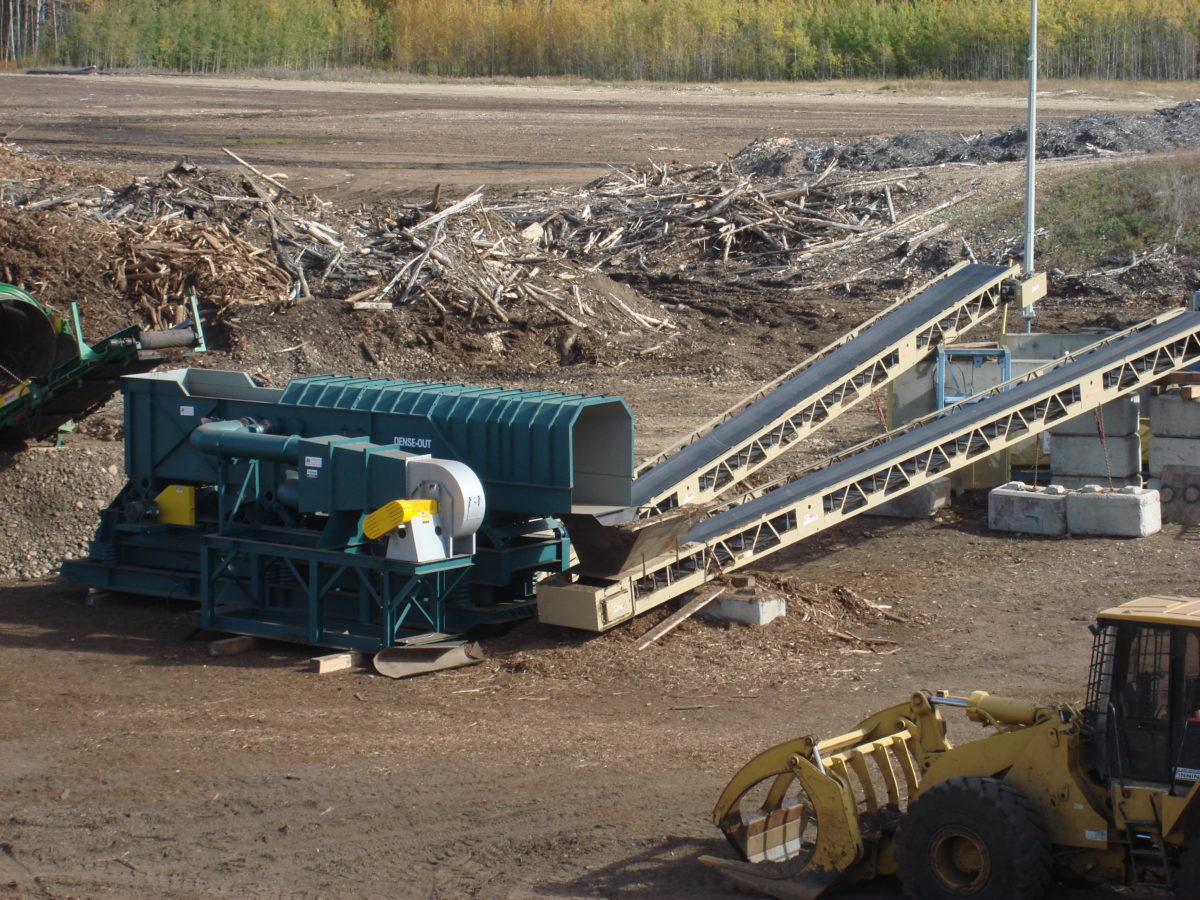
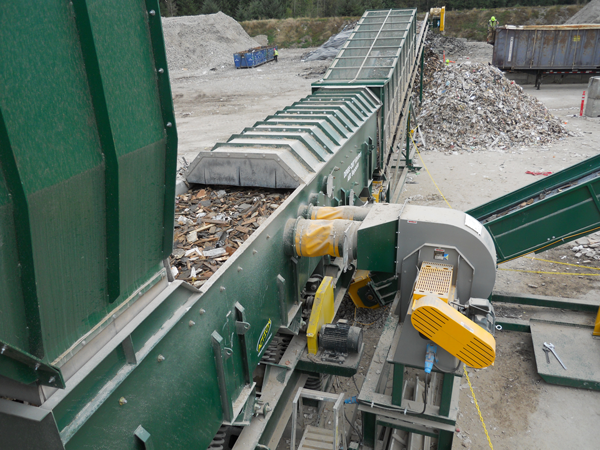
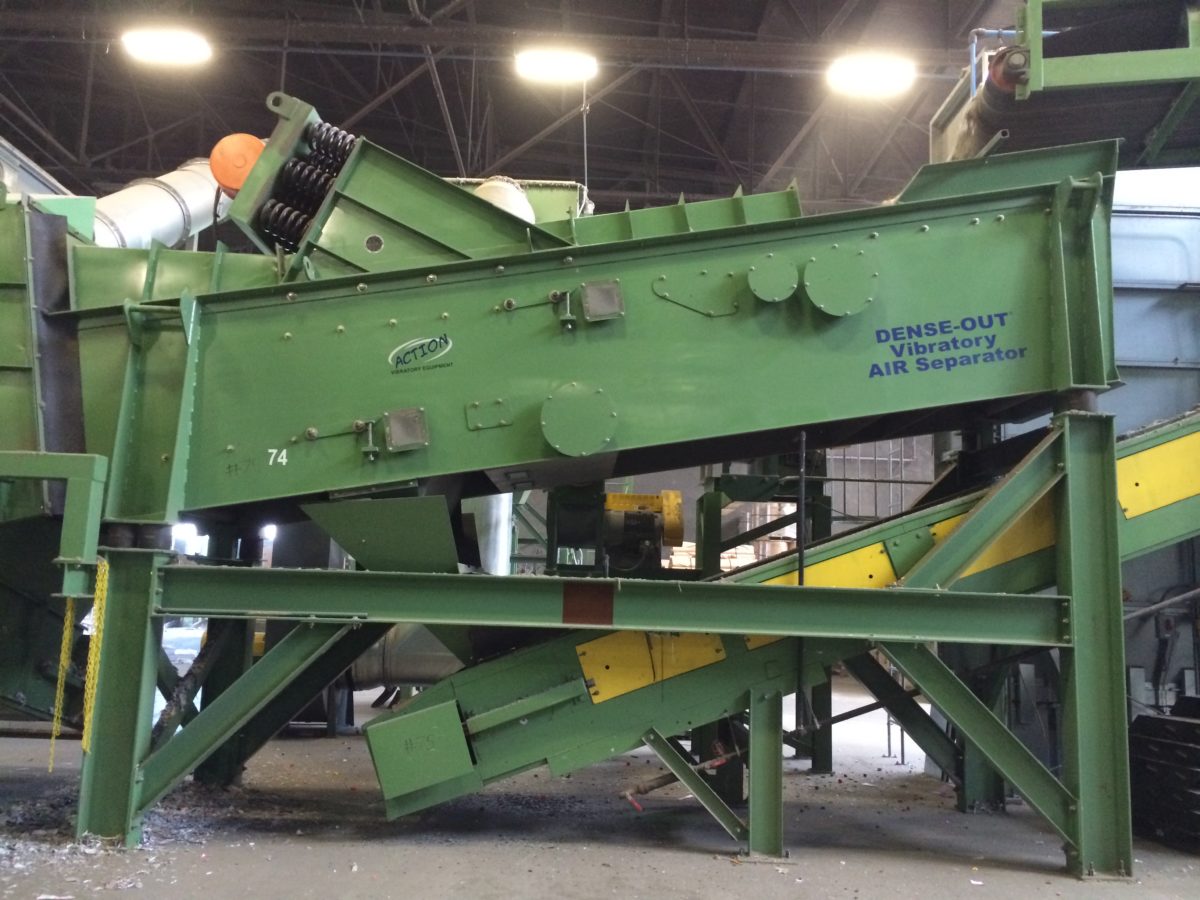
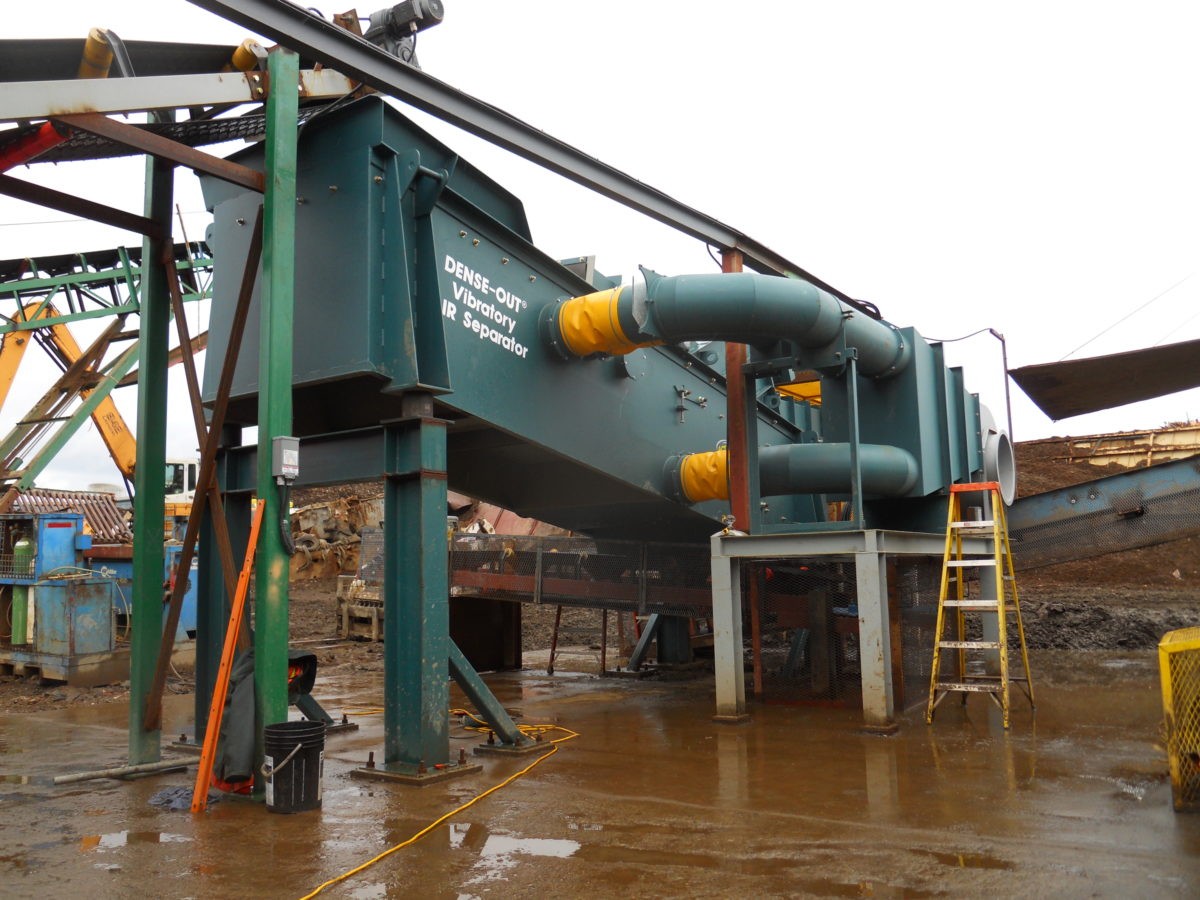
The DENSE-OUT® is a dry classification tool that uses vibration to stratify and air to separate bulk materials based primarily on differences in density. The DENSE-OUT® helps produce cleaner and more valuable products. Single, double, or triple air knife models are available to suit your separation needs.
Features
Hover over features to see descriptions

Pre-Screen (optional)
A short TAPER-SLOT® Screen section helps to remove fines prior to the introduction of air. The early removal of fines is an important item that is often accomplished upstream of the DENSE-OUT®.
Reinforced Load Plate
Pre-screened material is uniformly deposited onto the load plate of the DENSE-OUT® and is transported forward via vibration. The vibratory action begins the material stratification process.
Fluidizing Zone
Fluidization converts a material mix from a static compact-like state to a dynamic fluid-like state and is a critical component for the efficient separation of bulk materials. The use of vibratory motion in conjunction with the passing of air through the material mix causes low density particles to rise and high density materials to settle.
Air Knife
A high velocity low pressure controlled air stream blows the lights over a gap with the higher density materials falling through the gap to a fixed discharge chute below. Many applications require a dual knife design with the first knife scalping “obvious” lights and the 2nd downstream knife functioning to further refine the separation at a minimized material burden depth.
Adjustable Separation Plates
Refines the separation between marginally dense heavies and lights. Marginally dense materials caught on the adjustable separation plate roll back into the heavies discharge chute.
Vibration Isolation
Isolation springs minimize the transfer of dynamic loads to support structures / foundations.
Not shown:
- High performance industrial fan(s) with support
- Air ductwork and boot connections
- Take-away and picking conveyors for separated fractions
- Air filter/dust handling system
- Material drop-out containment at the DENSE-OUT® discharge for product and process air
Photos & Videos